
Qianyi September Internal Seminar: Upgrading Closed‑Loop Recycling System for Paper‑Based Packaging
Real‑World Recycling Pain‑points of Conventional Paper‑Based Products
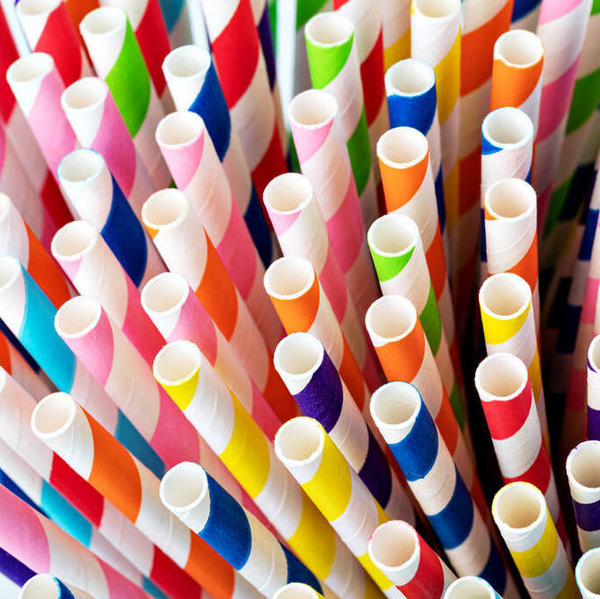
Against the global plastic‑restriction background, paper‑based single‑use products including paper straws and paper food containers have become mainstream eco‑friendly substitutes for plastic items. Nevertheless, many traditional paper goods adopt PE or PP plastic coating to achieve water‑proof and oil‑proof performance. Such composite structures bring prominent obstacles for actual recycling work.
It is technically difficult to separate plastic coating layers from paper pulp fibers. Most ordinary recycling facilities cannot complete effective separation. Heavily contaminated paper‑based waste can hardly enter normal re‑pulping procedures, which greatly lowers the real‑world recycling rate, even though raw paper material itself is theoretically biodegradable and recyclable. Meanwhile, inconsistent waste‑sorting habits and fragmented recycling channels further restrict circular‑economy implementation for paper‑based packaging, which also raises compliance risks for clients exporting to EU markets under packaging‑waste regulations.

September Cross‑Department Seminar Launches Recycling‑System Upgrade Plan
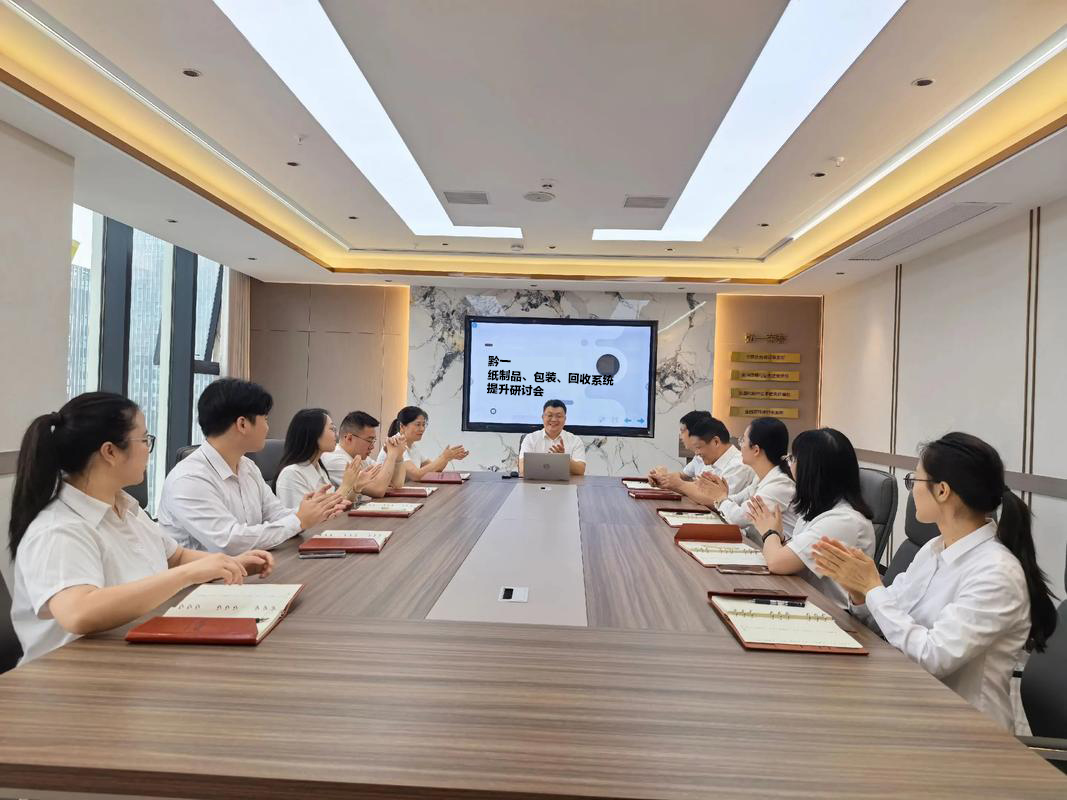
In September 2023, Qianyi hosted a special cross‑department seminar focused on paper‑product recycling‑system optimization. Teams covering R&D, production, quality control, supply‑chain and after‑sales service gathered together, sorting out bottlenecks across the whole product lifecycle. Centered on EU circular‑economy requirements, the meeting confirmed multi‑dimensional upgrading targets for packaging, paper‑pulp reuse and after‑sales supporting services.
During the seminar, participants analyzed real‑world recycling feedback from overseas clients, reviewed existing industry cases, and clarified improvement directions. Rather than only focusing on product degradability at end‑of‑life, Qianyi plans to build a more complete closed‑loop thinking: starting from raw‑material selection, through production waste management, all the way to client‑side recycling guidance and after‑sales technical support, every link will be optimized for better recyclability performance.
Multi‑Link Optimization: Packaging, Paper‑Pulp Re‑use and After‑Sales Support
For packaging links, Qianyi will further optimize product outer‑packaging design, simplify composite‑material structures, adopt easier‑to‑sort packaging solutions, and mark clear recycling guidance for end‑users. This helps overseas partners conduct local classification and collection according to European waste‑management standards.
On paper‑pulp reuse aspects, the R&D team will strengthen research for re‑pulping‑friendly material formulas. Production‑side leftover paper‑based scraps will be better collected and classified to maximize pulp‑resource recovery rate. The team will keep exploring low‑barrier‑coating materials that reduce separation difficulty for future recycling processing.
For after‑sales service chains, Qianyi will add professional recycling‑related technical support for B‑side clients. We will provide customized guidance documents for waste sorting, storage and local‑market‑compliant disposal, helping partners solve practical challenges when handling post‑consumer paper‑based product waste in different European regions.
Align With EU Circular‑Economy Requirements, Advance Real‑World Circular Solutions
Many European countries keep tightening rules for packaging‑waste recovery and recycling rates. Mere theoretical degradability is no longer sufficient; manufacturers need to deliver feasible, operable recycling solutions for the whole value chain. Qianyi’s recycling‑system upgrade responds exactly to this market trend.
This project reflects Qianyi’s understanding that true sustainability covers the full product lifecycle instead of single‑material indicators. Moving forward, Qianyi will convert seminar conclusions into iterative actions: continuously test packaging‑optimized samples, improve internal pulp‑recycling workflows, and polish client‑oriented after‑sales guidance materials. We aim to provide overseas customers with paper‑based product portfolios that are both high‑performance and practically recyclable.
Conclusion: Build Practical Circular‑Economy Capacity Through Systematic Improvement
Green transformation cannot rely only on single‑product upgrades. The September seminar marks Qianyi’s deeper step toward systematic circular‑economy construction. By upgrading the recycling chain across packaging, paper‑pulp reuse and after‑sales service, Qianyi intends to tackle real‑world recycling pain‑points in the industry.
Qianyi will keep tracking updates of EU packaging‑waste policies, cooperate with upstream and downstream partners, and keep promoting the realization of closed‑loop resource circulation for paper‑based products, contributing practical sustainable solutions for global foodservice and retail clients.