Plastic‑Pollution Risks Drive Qianyi’s Strict Focus On Paper‑Based Manufacturing Craftsmanship
Hidden Hazards Of Disposable Plastic Straws For Ecosystem And Human Health

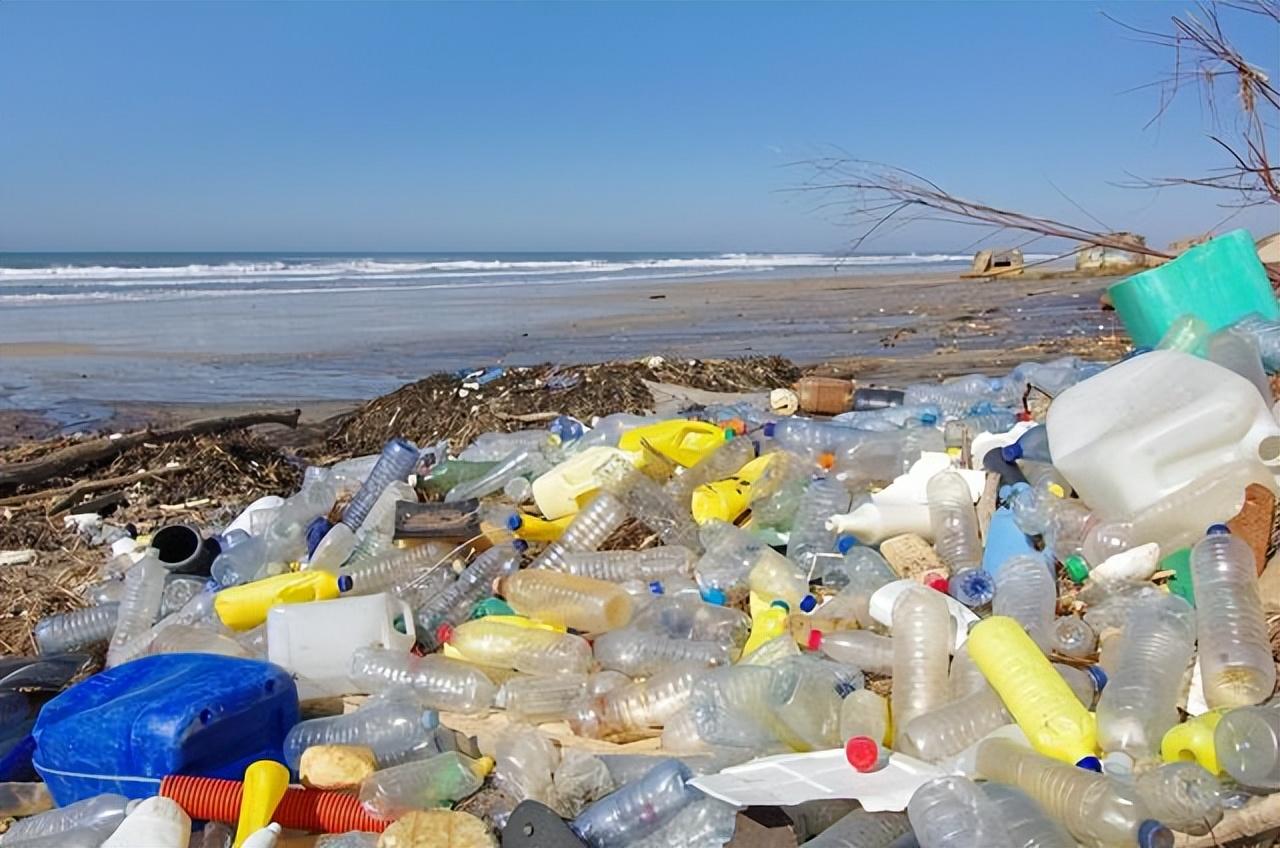
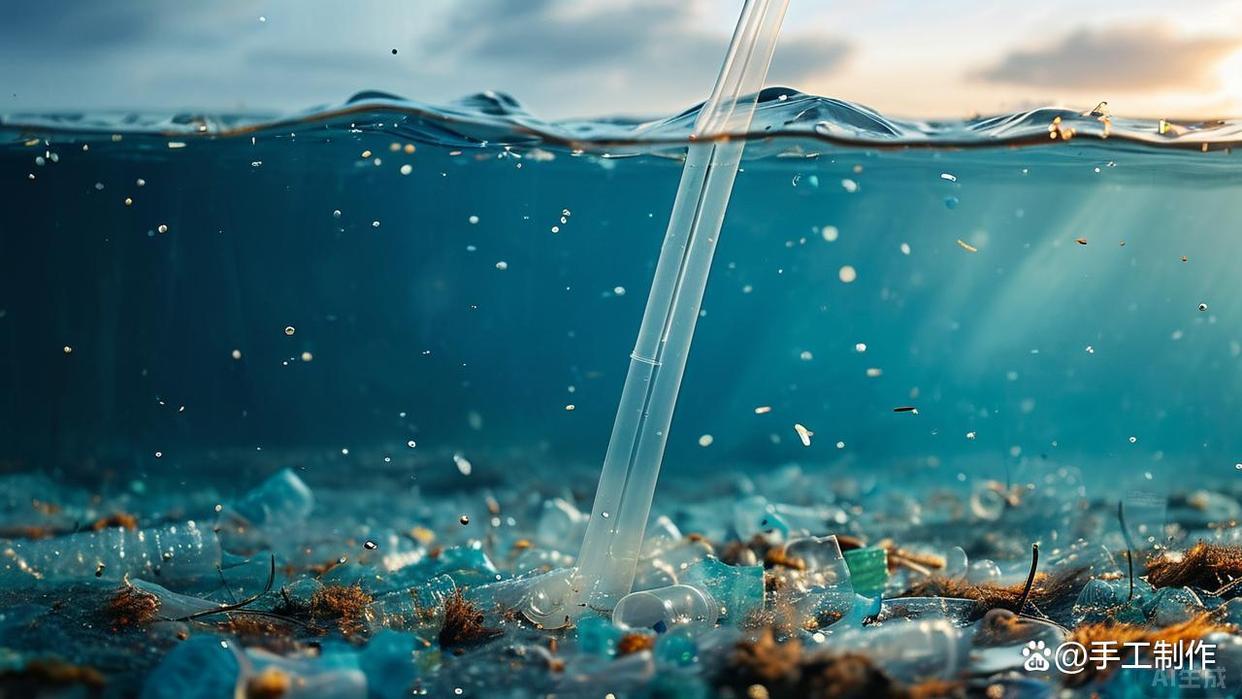
Single‑use plastic straws bring great convenience to daily beverage consumption, yet they create far‑reaching hidden risks for the ecological environment and human health. Discarded plastic straws degrade extremely slowly in nature, fragmenting into micro‑plastics less than 5 mm in size, which widely spread across oceans, soil and even polar regions.
Massive micro‑plastics enter the food chain through marine organisms, seafood and drinking water. Multiple international research reports confirm that micro‑plastic particles have been detected in human bodies, bringing potential long‑term threats to digestive, immune and reproductive systems. Marine wildlife also suffers heavy losses from massive plastic litter. Against this background, global markets including the EU have successively rolled out plastic‑restriction policies to accelerate the phase‑out of disposable plastic‑tableware products.
Industry Pain‑points Faced By Paper‑based Substitute Products
As the mainstream alternative to plastic straws, paper‑made straws have drawn mixed market feedback. Many end‑users complain of poor practical experience such as softening after soaking, insufficient structural strength. Meanwhile, unqualified paper‑product manufacturers may adopt inferior raw materials or improper coating processes. If plastic‑containing waterproof additives are improperly applied, the finished goods will still carry hidden risks of micro‑plastic residue and fail to achieve real environmental‑protection effects.
These real‑world industry challenges remind manufacturers: genuine eco‑friendly substitution cannot rely only on material labels. Strict control over the whole production process, raw‑material screening and processing craftsmanship is essential to deliver products that balance food safety, practical usability and degradable performance.
Qianyi Places High Priority On Paper‑product Manufacturing Process Control
Deeply aware of the above‑mentioned industry challenges, Qianyi has always attached great importance to every link of paper‑product craftsmanship. Starting from incoming raw‑material inspection, the company strictly selects food‑grade base paper, adhesives and auxiliary materials, eliminating inferior raw materials that may introduce harmful substances or micro‑plastic risks.
During formal production, we precisely control multi‑layer winding, bonding, cutting, drying and disinfection procedures. Internal laboratories carry out repeated tests covering wet‑strength, soaking‑resistance, degradability and food‑contact safety. Every batch of finished goods goes through multi‑round quality screening. The company keeps exploring plastic‑free barrier‑coating technology, striving to reduce dependence on traditional plastic additives and avoid potential pollution risks brought by composite materials.
Craftsmanship Supports Compliance With Global Environmental‑protection Demands
Stringent process management is the foundation for Qianyi to respond to overseas regulatory requirements such as the EU Single‑Use Plastics Directive. We understand that global clients no longer merely require “paper‑labelled” products. Market participants expect real safe, practical, fully‑compliant eco‑friendly solutions that effectively cut down micro‑plastic pollution risks.
Every optimization on production craftsmanship aims to narrow the performance gap between paper‑based items and traditional plastic goods. Qianyi hopes to improve end‑user practical experience while sticking to environmental‑protection goals, helping overseas foodservice and retail partners smoothly complete plastic‑replacement transformation.
Outlook: Pursue Both Craftsmanship And Environmental‑protection Value
Plastic pollution is a global shared challenge. Simply replacing materials cannot solve all problems. Only by digging deep into manufacturing details and continuously polishing processing technology can paper‑based products exert their real environmental‑protection value. Moving forward, Qianyi will keep investing in craftsmanship upgrade and material R&D. We will combine real‑world market feedback, optimize process parameters, and deliver more trustworthy sustainable paper‑based products for global customers.